
Our Sidewalk Installation in Atlanta
New pours, replacements and access work, residential through commercial.
-
New Residential Sidewalks
Fresh runs connecting driveway, entry and street, poured to consistent width on a compacted base. Formed with a slight cross-fall so water sheds to the lawn instead of standing across the walking surface.
-
Commercial and HOA Walkways
Longer runs serving businesses, apartment blocks and managed communities, built to carry constant footfall. Specified and documented to the standard a property manager needs for their records.
-
Section Replacement
Individual failed panels broken out and repoured rather than replacing an entire run. The most cost-effective repair when the damage is localised and the rest of the sidewalk remains sound.
-
ADA Access and Ramps
Curb ramps, landings and transitions built to the running slopes, cross-slopes and widths accessibility requirements specify. Detailing that matters legally as well as practically on commercial frontages.
-
Root-Damaged Repairs
Sidewalks lifted by Atlanta’s mature street trees, repaired with root pruning or bridging so the tree survives and the walkway stays level. Cutting major roots blindly can kill a tree and invite a fine.
-
Drainage Correction
Runs that pond after every storm regraded so water leaves the surface. Standing water is a slip risk, an ice risk on cold mornings, and the mechanism steadily undermining the base beneath.
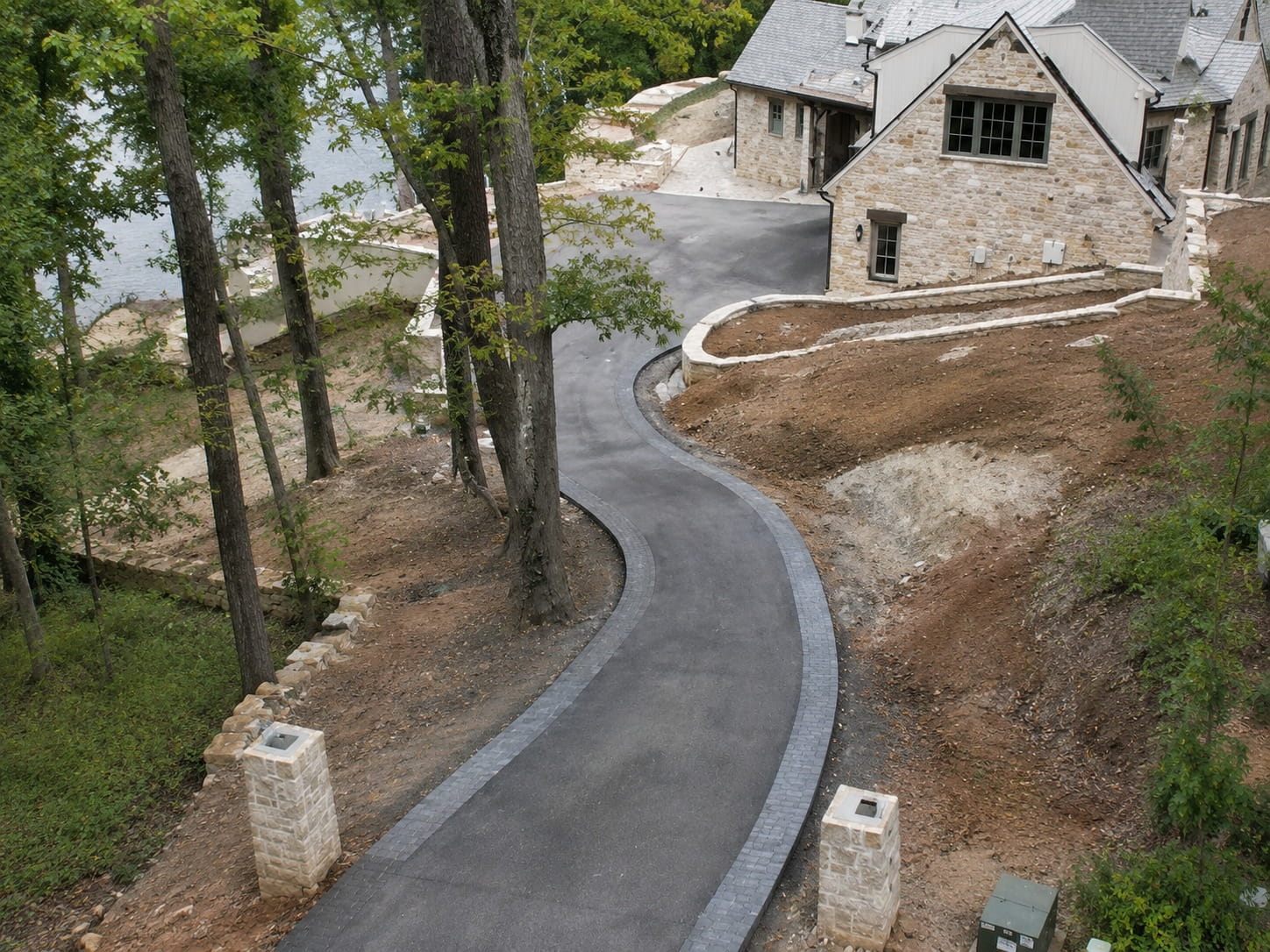
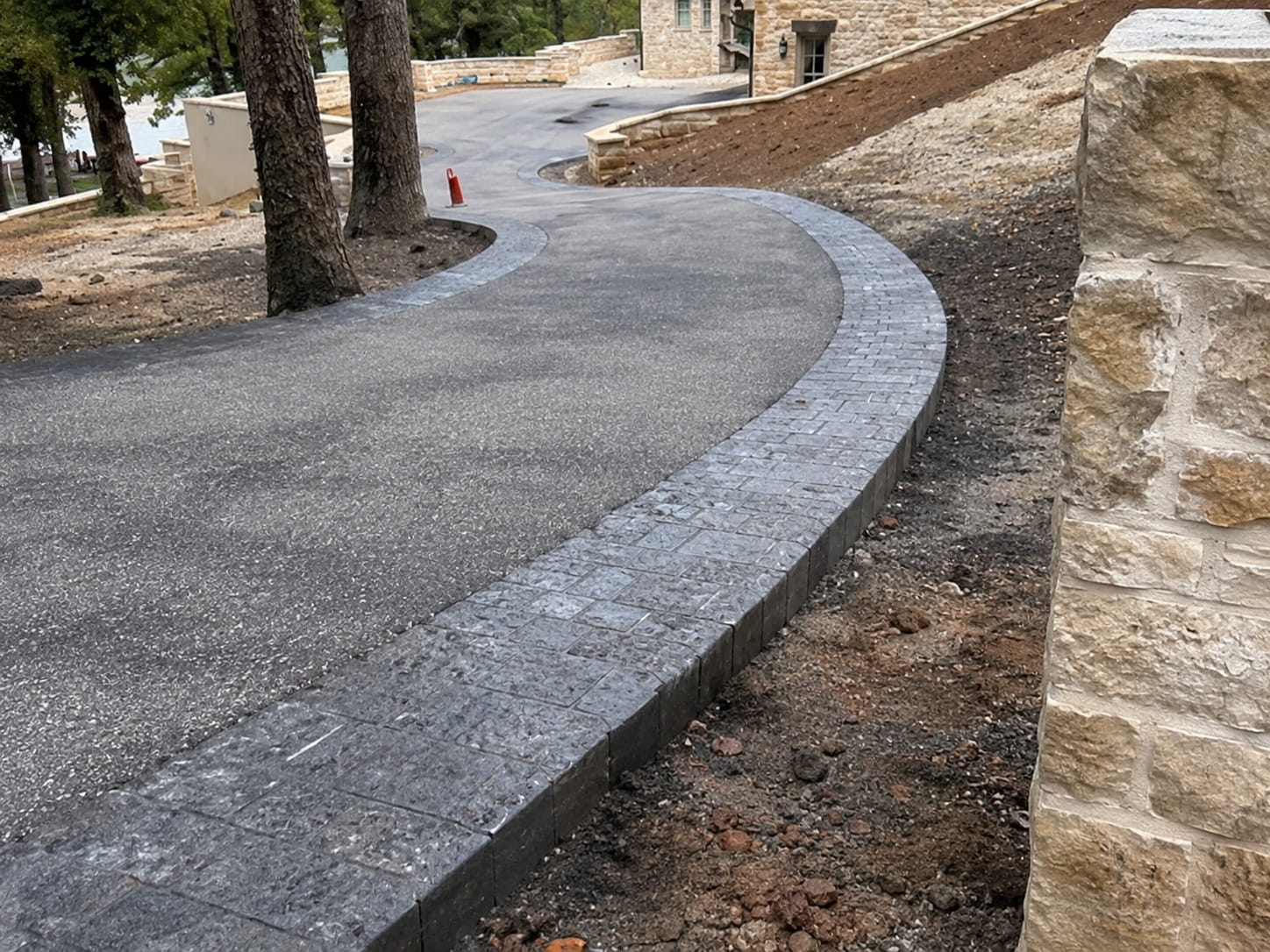
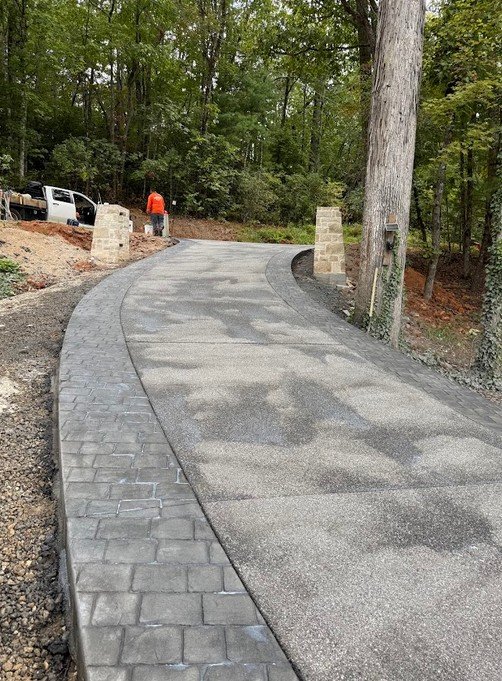
Our Sidewalk & Walkway Work in Atlanta
6 Signs You Need a Sidewalk Repair in Atlanta
-
A Lip Between Panels
Any vertical offset where one slab sits higher than the next is a trip hazard, and in most jurisdictions a measurable one. This is the single most common cause of sidewalk injury claims.
-
Cracks Wide Enough to Catch a Heel
Hairline cracks are cosmetic. Once a crack is wide enough to trap a shoe heel or a stick, it is both a hazard and an open route for water to undermine the base beneath.
-
Panels Rocking Underfoot
A slab that moves when you step on it has lost support below. The void underneath will keep growing with every storm until the panel cracks through or drops away entirely.
-
Water Standing After Rain
A sidewalk should drain within minutes. Persistent puddles mean the cross-fall has been lost through settlement, and that trapped water is actively working into the joints and the sub-base.
-
Roots Visibly Lifting Slabs
A slab tilted into a ramp by a root will keep rising. Dealing with it early means pruning and relaying one panel; leaving it usually means replacing several and losing the tree.
-
Surface Flaking and Pitting
Spalling exposes the aggregate and makes footing unreliable, particularly when wet. It also accelerates, because once the dense surface layer is gone the concrete beneath absorbs water freely.
Why Choose Our Sidewalk Repair and Installation Company in Atlanta
-
We Treat It as a Liability Issue
A trip hazard outside your property is a claim waiting to happen. We measure offsets, photograph what we find and prioritise the defects that carry real risk rather than the ones that merely look untidy.
-
Grinding Where It Will Do
Not every lip needs a new panel. Where an offset is within grinding range we cut it flush at a fraction of replacement cost, and we tell you when that is the honest answer.
-
Roots Handled Properly
We work with the tree rather than against it, pruning within safe limits or bridging the root. Severing major roots on Atlanta street trees risks killing them and can carry a municipal penalty.
-
Built to Correct Slopes
Cross-slope and running slope are accessibility requirements with real numbers attached. We build to them, which matters on any commercial frontage and protects residential owners too.
-
Right-of-Way Approvals Handled
Sidewalks often sit in the public right-of-way, where work needs municipal permission. We establish who owns the strip and secure approvals rather than leaving you to field the questions later.
-
Pedestrian Access Maintained
People still need to get past while we work. We barricade and sign the site properly and keep a safe route open, which on a commercial or HOA property is a requirement, not a courtesy.
Cost of Sidewalk Installation & Repair in Atlanta
Sidewalk work in Atlanta typically costs $8 to $20 per square foot for new installation, and repairs are priced by the panel rather than the whole run — commonly $300 to $900 per panel. That distinction matters: replacing two lifted slabs costs a small fraction of redoing an entire frontage, and most frontages only need a handful of panels.
In the City of Atlanta and most surrounding jurisdictions the adjoining property owner is responsible for maintaining the sidewalk fronting their property, even though it sits in the public right of way — which also means repairs there generally need a permit. Tree roots are the leading local cause of lifting, unsurprising given the mature canopy this city is known for.
Atlanta Sidewalk Installation & Repair Cost Breakdown
| Project Type | Typical Cost Range | Notes |
|---|---|---|
| New sidewalk installation | $8–$20 per sq ft | 4" over compacted base for pedestrian use |
| Thickened section at a driveway crossing | $12–$25 per sq ft | 6" where vehicles run over the panels |
| Single panel replacement | $300–$900 | Cut out, remove, repour and match level |
| Trip hazard grinding | $100–$400 per location | Where the lip is within grindable tolerance |
| Root cutting and root barrier | $300–$1,200 | Treats the cause, not just the panel |
| ADA-compliant curb ramp | $2,000–$5,000 | Detectable warning surface included |
| Typical residential frontage (3–4 panels) | $1,200–$3,500 | Most common repair scope |
| Right-of-way permit | $100–$600 | Usually required even for owner-funded repair |
Please note this is only an estimate. You can get a more accurate quote when you call our team or provide specific project details in our contact form.
Sidewalk Installation & Repair FAQs
Who is responsible for sidewalk repair in Atlanta?
In the City of Atlanta and most surrounding jurisdictions the adjoining property owner is responsible for maintaining the sidewalk fronting their property, even though it sits in the right of way. That also means repairs there usually need a permit. We confirm the position for your address before starting.
How much does sidewalk repair cost in Atlanta?
Repairs are priced by the number of panels rather than by the whole run, so replacing two lifted slabs costs a small fraction of a full frontage. Root cutting, grinding and permit fees add to it. We assess each panel and quote only the sections that genuinely need replacing.
How thick should a residential sidewalk be?
Four inches over a compacted base is standard for pedestrian use, increasing to six where a driveway crosses it and vehicles run over the panels. Control joints go in at roughly the width of the walk. Most sidewalks that crack early were poured thin or straight onto uncompacted ground.
What causes sidewalks to lift or crack?
Tree roots are the leading cause across Atlanta, and the mature canopy this city is known for makes it common. Beyond that: clay soil swelling and shrinking seasonally, erosion washing out the base, and inadequate original thickness. We deal with the root or the base, not just the visible panel.
Do sidewalks need to be ADA compliant?
Public sidewalks do, and the requirements cover minimum width, cross slope, running slope and the maximum vertical lip at any joint — a quarter inch. Even residential frontage repairs in the right of way are inspected against these. We build to those tolerances so the work passes first time.